Source Premium Forged Aluminum Alloy Rims for SUVs, Trucks, Sedans
Find 30 verified listings for premium forged aluminum alloy rims suitable for SUVs, trucks, and sedans. Buyers can compare specifications like size, finish, and certifications to identify the best options for their vehicle needs; compare the available evidence and request quotations based on your requirements.
Key considerations
Products List



Comprehensive Sourcing Guide
Premium Forged Aluminum Alloy Rims Sourcing Guide
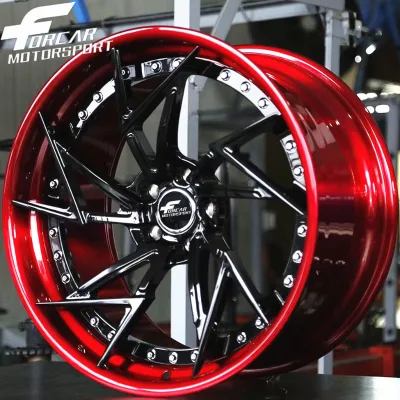
Buyers seeking premium forged aluminum alloy rims must first distinguish between cast and forged manufacturing processes, as the supplied data indicates a strong prevalence of alloy construction with specific finishing options like black and chrome. The observed product attributes reveal a diverse inventory ranging from wheel hubs to complete rims, with sizes spanning from 14 to 22 inches, necessitating a clear definition of the exact wheel type required for the target vehicle platform.
Procurement teams should verify that the listed "Aluminum" and "Alloy" designations align with the specific performance requirements of the application, noting that 45% of observed listings explicitly mention aluminum content while others focus on the alloy composition. The availability of customization in styles and colors, including gun metal and bronze, suggests that buyers can source tailored solutions, but they must confirm that the specific model numbers like BT-AT-07 or SS9312 correspond to the intended vehicle fitment before placing orders.
Product Scope and Observed Listing Signals
The market data indicates a wide range of product types, including wheel hubs, rims, and complete assemblies, with specific model identifiers such as BT-DB-2010 and OYR195 appearing frequently in listings. Buyers should analyze the distribution of spoke types, noting the presence of both flat spokes and equal diameter spokes, as these structural differences significantly impact the aesthetic and mechanical properties of the final wheel assembly.
Listing signals also highlight a variety of finishing processes, with black and chrome finishes being the most common observations, alongside color options that include custom requests. The presence of wheel accessories like wheel covers suggests that some suppliers offer complete packages, yet buyers must carefully review the "Commodity" descriptions to ensure the core product is indeed a high-quality alloy wheel rather than a generic accessory or a different automotive part.
Technical Specifications to Verify
Technical verification must begin with the wheel diameter, as the observed data confirms sizes ranging from 14 to 22 inches, with specific listings highlighting 16 to 20-inch hubs. Buyers need to cross-reference the listed size specifications against their vehicle's bolt pattern and offset requirements, ensuring that models like BT-AT-18 or v48 meet the precise dimensional constraints of the intended application.
Material composition is another critical verification point, where the distinction between pure aluminum and alloy construction must be clarified based on the specific listing details. The data shows that while some products emphasize aluminum content, others focus on the alloy standard, and buyers should request detailed metallurgical reports to confirm that the material strength meets the demands of high-performance or heavy-duty driving conditions.
Compliance and Safety Documentation
Safety compliance is paramount, and the observed listings frequently cite certifications such as TUV, ISO, VIA, DOT, and CE, which serve as indicators of adherence to international safety standards. Buyers must verify that the specific certification documents provided for a model like BT-01 or xxw are current and valid for the target export market, as regulatory requirements vary significantly between regions.
The presence of standards like Via/Jwl and SAE J2530 in the product attributes suggests that some suppliers adhere to rigorous testing protocols for impact and fatigue resistance. Procurement teams should request the actual test reports associated with these standards to ensure that the wheels have undergone the necessary validation procedures, rather than relying solely on the claim of compliance without supporting documentation.
Cost Drivers and Commercial Terms
Cost structures for premium forged aluminum alloy rims are influenced by the complexity of the finishing process, the specific alloy composition, and the level of customization required. The observed price range of 1 to 580 USD reflects this variability, with higher costs likely associated with larger diameters, specialized finishes like chrome, and models that offer extensive customization options in style and color.
Commercial terms such as FOB, CIR, and CFR are standard in the listings, and buyers must calculate the total landed cost by factoring in shipping, insurance, and potential tariffs. The observed lead times of 1 to 2 weeks for stock orders provide a baseline for planning, but custom orders may require longer production windows, necessitating a clear agreement on delivery schedules to avoid supply chain disruptions.
Supplier Qualification and Quality Control
Supplier qualification should focus on the consistency of their quality control processes, as the listings mention "High Quality" as a general attribute but do not guarantee uniform standards across all models. Buyers should audit the supplier's production capabilities to ensure they can consistently deliver wheels that meet the specified standards, particularly regarding the structural integrity of the spoke types and the durability of the finishing processes.
Quality control checks must include a review of the packaging standards, as the data indicates the use of strong carton boxes and export plain cartons to protect the wheels during transit. Inspecting the packaging for damage upon receipt is a critical step, as improper handling can compromise the structural integrity of the rims, especially given the high value and precision engineering involved in forged aluminum alloy products.
Long-Term Procurement Checks
Long-term procurement success depends on establishing a reliable warranty structure, with observed listings offering a lifetime painting warranty of 24 months for specific components. Buyers should negotiate clear terms regarding the scope of this warranty, ensuring it covers defects in material and workmanship while understanding the limitations and exclusions that may apply to normal wear and tear.
Continuous monitoring of supplier performance is essential to maintain product consistency over time, requiring regular audits of the manufacturing process and quality assurance protocols. Buyers should also track the availability of spare parts and accessories, such as wheel covers, to ensure that the supply chain remains robust and that replacement components are readily available when needed for fleet maintenance or individual replacements.
FAQs
What certifications do the aluminum alloy rims have?
The rims carry multiple certifications including TUV, ISO, VIA, DOT, and CE. These standards ensure the products meet international safety and quality requirements for automotive wheels. Buyers can verify specific model compliance based on the listed certification data provided in the product specifications.
Which wheel sizes are available for these alloy rims?
Available sizes range from 14 inches up to 22 inches, covering common vehicle requirements. Specific models support dimensions like 16 to 20 inches for wheel hubs. The product line includes various configurations to fit different vehicle types and performance needs across the market.
Can I customize the color and finish of the rims?
Yes, customization is available for colors such as Black, Bronze, Gun Metal, and custom options. Finishing processes include Black and Chrome treatments to suit aesthetic preferences. Buyers can request specific styles and finishes to match their vehicle design requirements through the supplier.
What is the minimum order quantity for these rims?
The minimum order quantity starts at 1 unit for stock orders. This low threshold allows buyers to test products without large commitments. Some specific models may have different requirements, but the general policy supports small batch purchasing for flexibility.
How long does delivery take for stock orders?
Delivery for stock orders typically takes 1 to 2 weeks. This lead time applies to items available in inventory ready for immediate shipment. Buyers should confirm specific timelines based on the selected model and current stock levels before finalizing their purchase.
Where are these aluminum alloy rims manufactured?
The rims are manufactured in Mainland China. This origin location is standard for the product line and influences logistics planning. Buyers should consider shipping terms like FOB, CFR, or CIR when calculating total landed costs for their specific destination.
What packaging is used for shipping the rims?
Products are packed in strong carton boxes or export plain cartons. This packaging ensures protection during transit and storage. The standard carton packaging is designed to prevent damage while maintaining efficiency for bulk shipping and handling requirements.